I was in the middle of writing a particularly long-winded one to my sister when I reached for my roll of Forever Stamps. I was about to stick one on when the woman sitting at the next table—a retired library teacher named Martha—tapped me on the shoulder.
“Excuse me, dear,” she said with a twinkle in her eye, “but you’re about to throw away seventeen cents. Don’t you use postcard stamps?”
“I felt like a total amateur. Here I was, running a professional stationery business in Florida, and I was wasting money on my own personal mail. Martha was right: using a 78-cent letter stamp on a 61-cent postcard is just bad math.”
If you’re like I was that morning—blindly using your standard Forever Stamps for everything—this walkthrough is for you. We is going to break down exactly what a postcard stamp is, why the size of your card matters more than you think, and how much money you is leaving on the diner table every time you mail a “wish you were here” card.
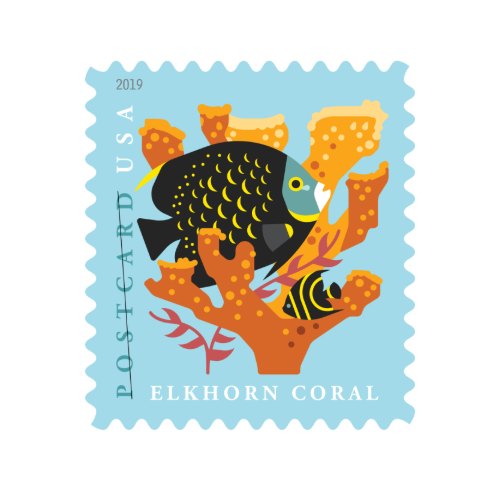

The Direct Answer: What Is a Postcard Stamp?
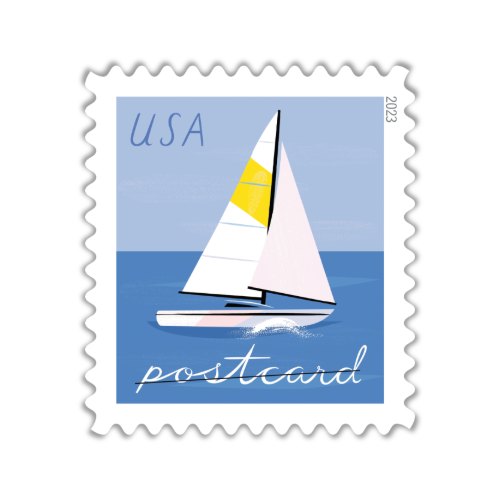
A **Postcard Stamp** is a special category of postage designed specifically for standard-sized postcards. Just like its big brother (the Forever Stamp), it is a “Forever” category product. This means that once you buy it, you can use it even if prices go up in the future.
As we navigate early 2026, the price for a Postcard Stamp is $0.61.
That 17-cent difference between a letter stamp ($0.78) and a postcard stamp ($0.61) might not sound like a fortune. But if you’re a business owner sending out a hundred “thank you” cards a month, or a bride-to-be mailing out 150 “save the dates,” that nickel-and-diming turns into real money faster than you can say “overpaid.”
Best Deals on Forever Stamps
The 2026 Price Sheet: Letters vs. Postcards
While we is safe from price hikes for now—thanks to the official January price freeze—knowing the gap is essential for your budget.
| Postage Category | Price (Early 2026) |
|---|---|
| Standard Forever Stamp (1 oz letter) | $0.78 |
| Postcard Stamp (Standard size) | $0.61 |
| International Postcard Stamp | $1.70 |
I always tell my friend Michael, who runs a landscape business, that he should use postcards for his “service reminders.” He was sending out 300 letters a month just to tell people their grass needed cutting. Since switching to postcards, he’s saving $51 a month. That’s over $600 a year! “Sarah,” he told me, “that’s a free lawnmower just from changing the size of my paper.”
Size Matters: The “Martha” Rule
This is where most people get tripped up. You can’t just put a 61-cent stamp on *any* piece of cardstock and expect the USPS to take it. There is very specific physical requirements. If your card is too big, it’s a letter. If it’s too small, it’s lost.
- The Minimum: Your postcard must be at least 3.5 inches high by 5 inches long.
- The Maximum: It cannot be larger than 4.25 inches high by 6 inches long.
- The Thickness: It needs to be at least 0.007 inches thick (roughly the thickness of a standard index card).
If you sends an “oversized” postcard—the kind you often see in beach towns that is 5×7 or larger—you MUST use a standard 78-cent Forever Stamp. Martha would be the first to tell you: “If it’s big enough to show a whole sunset, it’s big enough to pay the letter rate.”
The Math: The Real Savings Breakdown
Let’s look at the numbers for a meaningful campaign. If you’re a real estate agent or a boutique owner mailing out 1,000 promotional cards a month, the difference isn’t just a “tip”—it’s a line item.
Monthly Savings Comparison (1,000 Mailings)
| Postage Used | Cost Per Unit | Total Cost |
|---|---|---|
| Letter Stamp ($0.78) | $0.78 | $780.00 |
| Postcard Stamp ($0.61) | $0.61 | $610.00 |
| Total Monthly Savings | $0.17 | $170.00 |
Over a year ($170 x 12), you’re looking at **$2,040**. That’s a significant piece of your marketing budget! When I showed this to Michael, he actually stopped and recalculated his entire outreach strategy. For any announcement that doesn’t require privacy (like an invoice), postcards is the obvious financial winner.
Market Navigation: Where to Find Postcard Stamps
The post office doesn’t always put the postcard stamps in the front display. Sometimes they want you to just use a regular Forever Stamp because, well, it’s more revenue for them. You have to be proactive.
- Offline: Always available at the counter, but you usually have to ask for them specifically. They often come in sheets of 20.
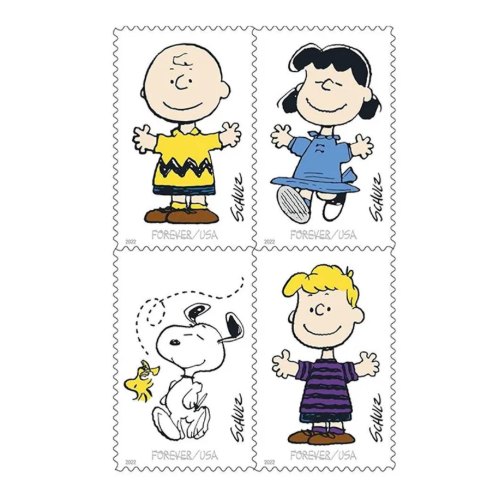
- Online Resellers: This is where you can find the best volume deals. I recommend Forever Stamp Store or The USPS Stamps. They often have designs that is much prettier than the standard offerings.
- US Bulk Stamps: If you sends thousands of postcards for a non-profit or a political campaign, this site is a lifesaver for your budget.
CAUTION: Be wary of sites on Temu or Shein offering “Postcard Stamps for 15 cents.” According to USA Today reports on price increases, the margins are razor-thin. Nobody can legally sell them for that cheap. Using fake stamps on your postcards will result in them being destroyed without delivery. Don’t risk your marketing campaign for a few saved pennies.
Branding Your Postcards: Design and Impression
When someone pulls your postcard out of their mailbox, the stamp is part of the “first impression.”
- The Nature Enthusiast: I love the 2011-2020 **Flower Stamps** series. Even if you is using a postcard rate, using a beautiful botanical design (like the 2013 Fern or 2017 Succulent series) makes the card feel premium.
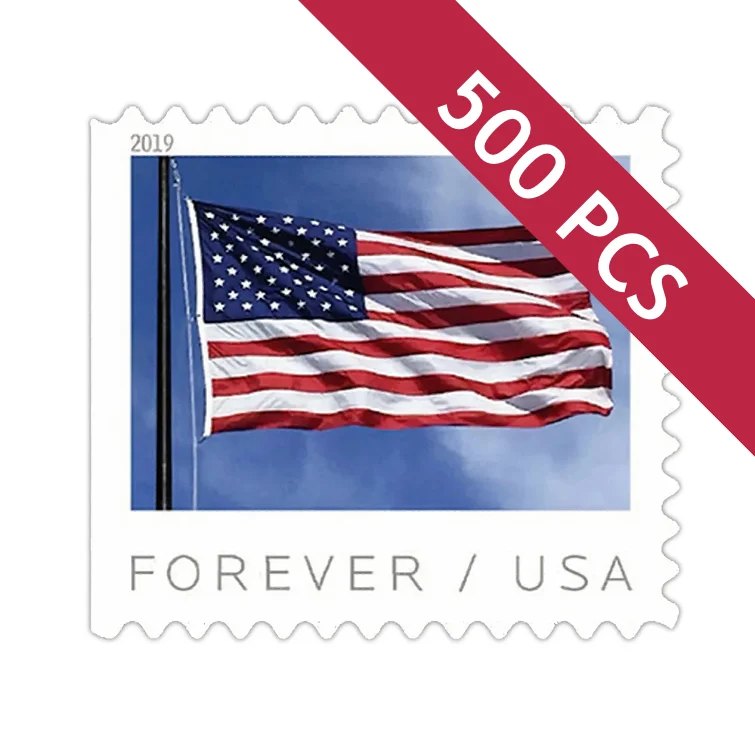
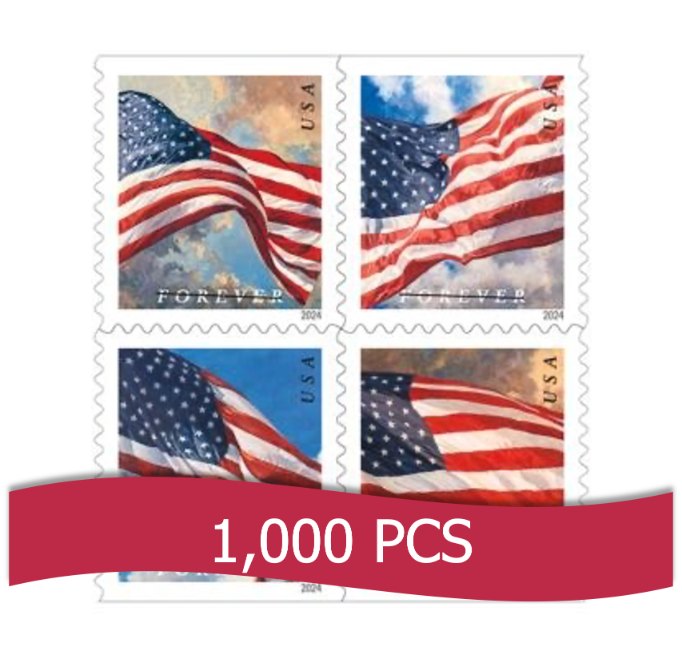
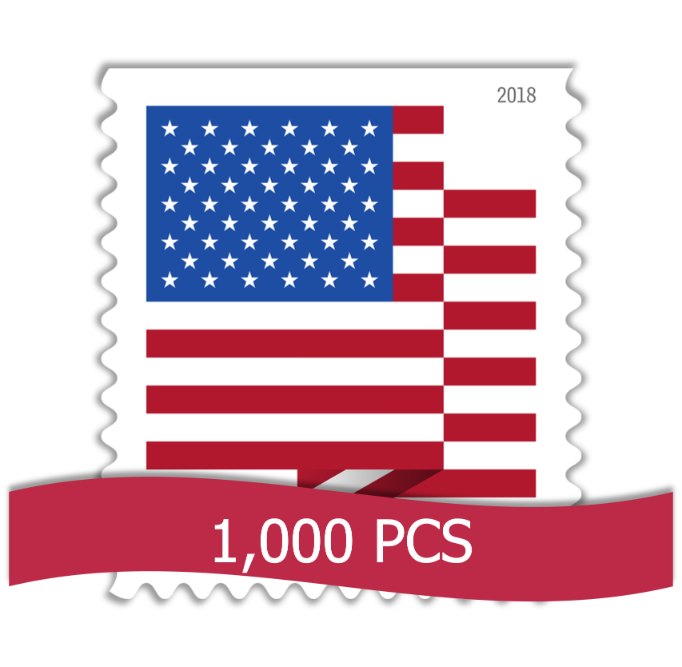
- The Patriotic Choice: The standard **Flag Stamps** from 2019 or 2023 is always a safe bet for business mail. They look clean, professional, and established.
My advice? Don’t settle for the boring “official” postcard stamp if you can find a more beautiful “Forever” category stamp that fits the rate. Sites like Forever Stamp For Sale often have older, more collectible designs that is still valid for postage.
The 2026 Outlook: Predictions for Postcard Rates
While the $0.61 rate is frozen for January, the USPS is under pressure to increase revenue. Most analysts expect a July 2026 hike that could push postcard rates to $0.64 or $0.66.
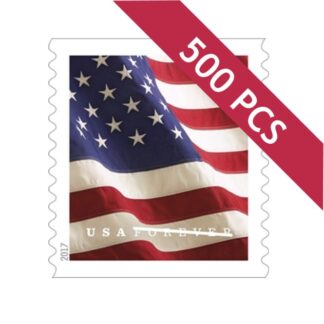
“My strategy is simple: Stock up in the spring. If you buy 500 postcard stamps in May, you’ve locked in that 61-cent price even if the rate jumps in July. It’s one of the few ways to beat the system legally.”
You can stay informed by checking the official Newsroom recommendations. It’s a bit of a dense read, but it will give you a major advantage over competitors who is just blindly paying whatever the clerk asks for.
The Human Factor: Why We Still Love Postcards
At the end of the day, a postcard is more than just “cheap mail.” It’s an open window. Unlike a letter hidden in an envelope, a postcard shows its soul to everyone who touches it—from the sorter to the carrier to the person who finally picks it up.
When I was on that road trip, sending those cards to my sister and my friend Michael, I wasn’t just sharing information. I was sharing a moment. I was saying “I see this beautiful thing, and I want you to see it too.”
By using the correct postcard stamp, you is ensuring that your message arrives safely, while also respecting your own bank account. Being smart with your “nickels” is how you build a business that lasts. And as Martha told me in that diner: “Honey, the post office has enough money. You keep yours.”
So, the next time you pick up a postcard, reach for the 61-cent stamp. Your budget will thank you, and Martha would certainly approve.
Authoritative Sources & Recommended Reading
- Bloomberg: Understanding US Consumer Price Trends
- AP News: Postal Analysis — Why Prices Keep Jumping
- Reuters: Interactive US Inflation Data
Logistics Hacks: Shipping with Stamps

Stamp enthusiast and part‑time columnist based in Los Angeles. With a background in office administration and a personal passion for collecting Forever Stamps, she provides readers with practical tips on buying, storing, and using stamps effectively.