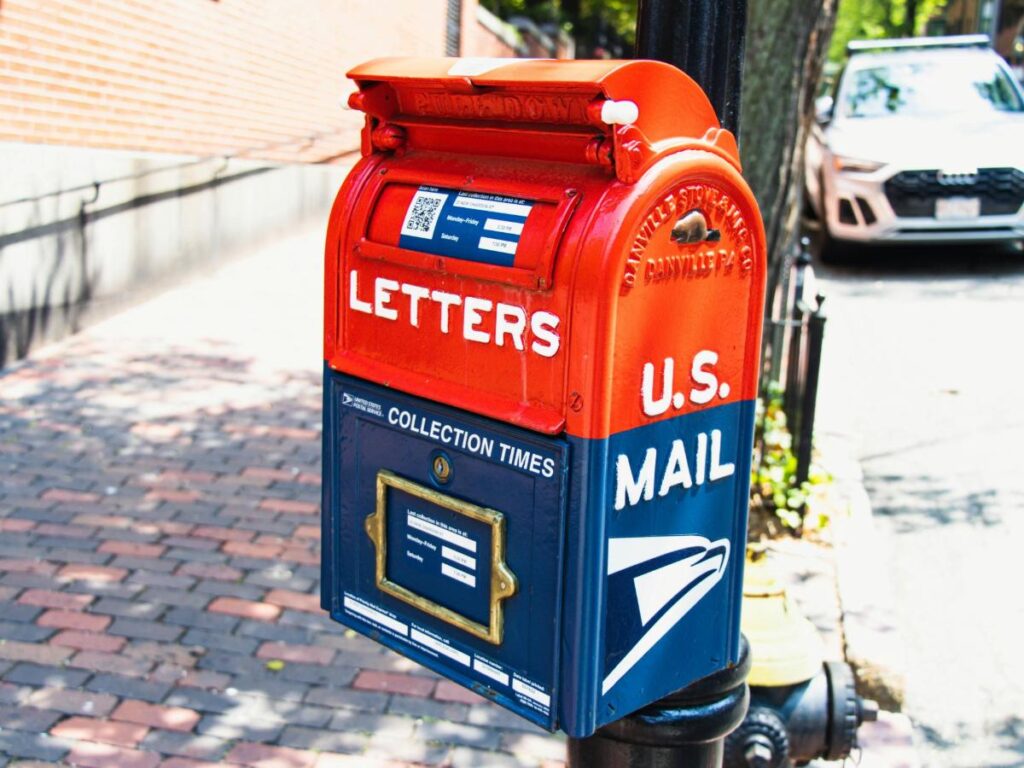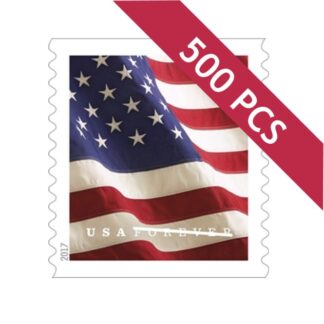
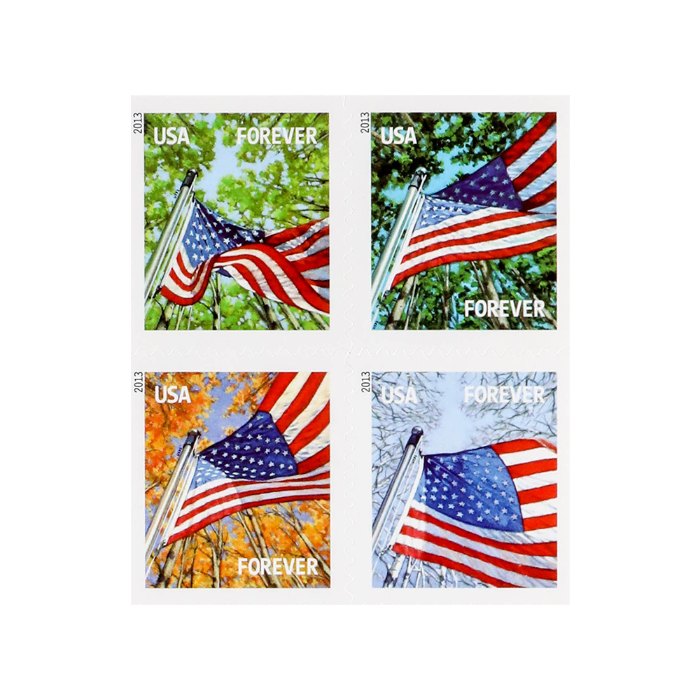
In the historic archives of a Richmond heritage site, the concept of “Continuity” is the foundation of our work. Whether we are preserving 18th-century manuscripts or managing the logistical output of our modern donor outreach, the tools we use must reflect a bridge between the past and the present. For a heritage coordinator responsible for the mailing of annual reports, commemorative invites, and historical newsletters, the **US Flag stamp** is the ultimate symbol of that bridge. It is a design that has evolved alongside the nation, yet its function as a “Forever” asset remains immutable. But in the 2026 postal climate, where administrative budgets are under constant pressure from rising overhead, understanding the flag stamp history isn’t just an academic exercise; it is a logistical necessity for identifying high-value surplus inventory that keeps our operations sustainable.
The 2026 reality for historic institutions and traditional firms is one of “Legacy Efficiency.” With the retail price of a **USPS stamp** now at $0.78, a typical archival mailing of 3,000 pieces represents a $2,340 recurring expense. For an organization where every dollar should go toward preservation, buying the latest 2026 releases at full retail at CVS or the local **post office** is a failure of fiscal stewardship. By understanding the chronological history of the flag series from 2017 to 2024, we can identify specific legacy “Coils” and “Sheets” that are now flooding the surplus market at 15-25% discounts. It’s about leveraging the history of the USPS to protect the future of our site.
“There’s a colleague in the Philadelphia preservation scene, Robert, who once pridefully told me that he ‘only buys the latest issues’ because he thought older stamps might ‘expire’ or lose their adhesive integrity. He was essentially treating postage like perishable produce. When the July price hike hit, his quarterly mailing for a major revolutionary war exhibit went $500 over budget. When I showed him that securing surplus rolls of the **2019 US Flag** or the **2022 Freedom Flag** would have saved him enough to fund a new digital scanner for the archives, he realized his ‘modernity’ was actually an expensive superstition. He now buys his patriotic coils in 1,000-unit bundles six months ahead of every cycle. He were sure—my mentor—that the ‘Newest’ was the only ‘Safest’ way. He learned that in the 2026 market, the only safest way is the one that captures the legacy value.”
Analyzing the 2017-2024 flag timeline requires a move from the “Latest News” (which is always at peak price) to the deep-stock surplus of the recent past. As the USPS 2025 stamp lineup公告 confirms, the patriotic series remains the highest-volume production category, making it the most critical area for surplus “Hedge” strategies.
The James River Timeline: Flag Designs for the Dominion
To rank these configurations, we applied a “Legacy Utility” (LU) model. We looked at how well the design fits a professional corporate environment and the availability of 500-unit and 10,000-unit coils in the surplus market.
1. The “Foundational” Era (2017-2018): The Liberty Flag
The 2017-2018 releases were characterized by a classic, full-frame flag design. These were the first major “Forever” flag issues after the significant rate restructuring of the mid-2010s. For a heritage site, these feel the most “Timeless.” While they are rare at Costco today, verified surplus vendors like Forever Stamp Store offer these legacy rolls at the deepest discount tiers (up to 25% off) because they are often liquidated from long-term corporate archives.
2. The “Prestige” Era (2019-2021): The Flag Across America
Perfect for corporate donor outreach and high-end events, this era introduced more “Scenic” flag designs—flags positioned against horizons or landmarks. It was a period of high-quality printing and robust adhesive. Buying these in 3,000 or 10,000 unit institutional rolls via US Bulk Stamps represents a major “Hedge” against 2026 price hikes for any high-volume firm.
3. The “Minimalist” Era (2022-2024): Freedom Flag & Patriotic Block
For modern professional firms that want a “Crisp” and “Clean” look, the latest issues from 2022 to 2024 are the only choice. They feature less detail and more bold, primary colors. Because these are still relatively recent, corporate surplus of these is high, allowing savvy managers to stock up at the 15-20% discount tier through platforms like The USPS Stamps.
4. The “Immediate” Era (2025-2026): Contemporary Releases
Every firm needs an “Emergency Reserve” from the Official USPS Portal. These ensure that if a surplus shipment is delayed by a Richmond storm, your daily compliance mail does not stop. You pay full retail, but you get 100% guarantee of authenticity for your most critical legal filings.
| Release Era | Visual Tone | Best Format | Surplus ROI |
|---|---|---|---|
| 2017-2018 | Traditional / Legacy | Institutional Rolls | 25% ROI (Deep Discount). |
| 2019-2021 | Scenic / Professional | Coils (500+) | 20% ROI (High Stability). |
| 2022-2024 | Minimalist / Modern | Sheets (20) | 15% ROI (Corporate Liquidations). |
| Current (2026) | Standard / Retail | Post Office Counter | 0% Savings (Emergency Use). |
Best Deals on Forever Stamps

The “Ghost Postage” Alert: Protecting the Heritage Reputation
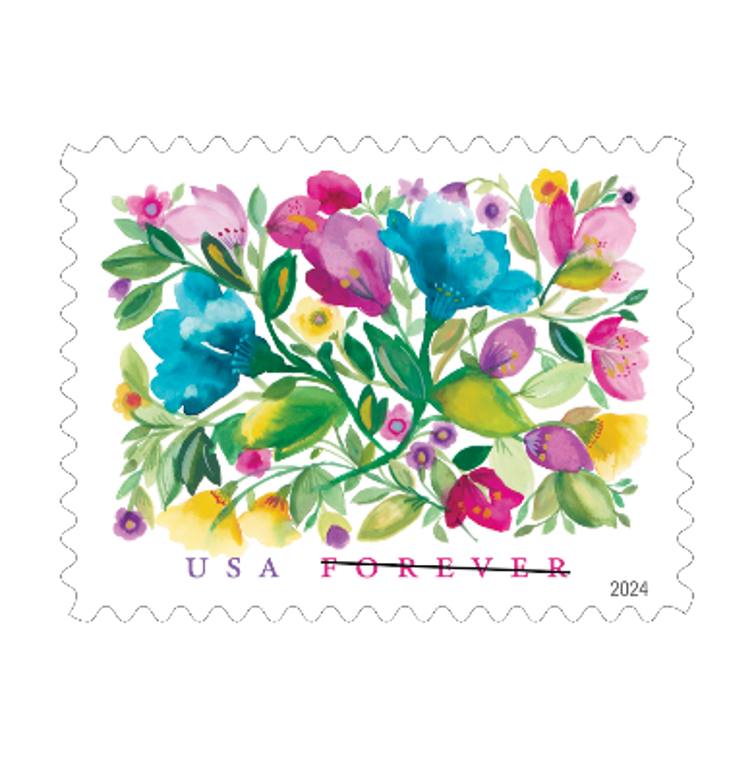
In the digital hunt for flag stamp deals, the coordinator’s primary duty is risk mitigation. You see the social media ads: “Patriotic Series Liquidation – 70% Off.” To a budget-conscious professional in Richmond, this looks like a miracle. But in the world of logistics, it’s a protocol failure. These are “Ghost Postage” scams—selling counterfeit **forever stamps** that will lead to your donor mail being seized or returned with “Invalid Postage” markings.
Last year, an outreach director at a Virginia battlefield site tried to “save” $600 by purchasing 5,000 stamps from a site they found on a sidebar search. The site had “Official” badges and a 24-hour timer. When the stamps arrived, they failed the UV-light audit. They were literally paper stickers with no phosphor tagging. **All the informations** about ‘Secure Delivery’ on those sites are fraudulent. The office lost their $600 and had to spend another $2,000 in labor and re-mailing costs for their entire fall donor drive. In a professional world, fake postage is a reputational suicide mission.
The 8:2 Strategy for Legacy Flag Procurement
Spend 80% of your logistical energy verifying the vendor’s history and physical stock integrity. Only 20% should be spent on specific year-of-release selection. A 2017 flag on a real stamp is a $0.78 value asset; a 2024 flag on a fake stamp is a $0.00 value liability.
- Physical Phosphor Check: Use a $15 UV light. Genuine **USPS stamps** glow with a specific greenish “Tagging” area. Fake ones either don’t glow or have a bright blue “chemical” look because they use cheap optical whiteners.
- Adhesive Integrity Test: Authentic **forever stamps** use a pressure-sensitive adhesive designed to handle the Richmond humidity and cold storage. Fakes often “lift” or peel off in the air.
- Micro-printing Integrity: Use a jeweler’s loupe. Authentic **forever stamps** have precise, machine-punched detail. Counterfeits frequently look “blurry” or pixelated under magnification.

Richmond Heritage Defense: Locking in the 2026 Patriotic Yield
The official USPS reports for 2026 have frozen prices for the first half of the year, but the historical trend under the 10-year plan suggests a significant hike in July. For a firm mailing 15,000 items a year, this is the “Buy-Low” window.
If you purchase 15,000 **legacy flag forever stamps** today (thirty 500-count coils) at a surplus rate of $0.62, and the rate jumps to $0.88 in July, you have created a $3,900 efficiency gain for your business. That $3,900 is the entire budget for your next historical exhibit, or the cost of a new high-speed printer for the office.
The “Richmond Hedge” for 15,000 units:
- Reactive (Wait for Branch): 15,000 x $0.88 (Est.) = $13,200.00
- Official Retail Now: 15,000 x $0.78 = $11,700.00
- Proactive Surplus (~$0.61): 15,000 x $9,150.00
- Total Brand Yield: $4,050.00
That $4,050 is the “ROI of Trust.” It is capital that stays in your heritage ecosystem instead of being burned by logistical friction.
8:2 Value-Add: Protecting the Professional Impression
While 80% of our mail is functional, the remaining 20% is about the **brand experience**. Sending a physical reward or a personalized thank-you note with a hand-applied **Legacy Flag stamp** signals that the recipient is more than just a number in a database. In a digital world of automated emails, that physical mark of quality is a powerful differentiator. **It don’t feel right** to send a “Save the Heritage” appeal for a $1,000 donation with a cold, generic mechanical sticker. Premium **patriotic stamps** are a mark of professional respect.
The Coordinator’s Final Resolution: why 1,000ndnd-Count Rolls Rule the Battlefield
As the sun sets over the James River and the final mail trays of the month are staged for pickup, the ledger is balanced. We didn’t just “buy stamps”; we optimized a strategic asset.
Don’t fall for the 70% off digital mirages. Secure your **500 pcs** or **1,000 pcs** legacy flag coils today. Store them in airtight bins to protect against Richmond’s humidity—away from the heat of the office printers—and lock in your costs using platforms like Forever Stamp Store. In the game of heritage, the one who watches the small details with the most discipline is usually the one who gets to keep the large community yields. Get the legacy flags. Hedge the hike. Secure the brand.
Logistics Hacks: Shipping with Stamps

Stamp enthusiast and part‑time columnist based in Los Angeles. With a background in office administration and a personal passion for collecting Forever Stamps, she provides readers with practical tips on buying, storing, and using stamps effectively.