The holidays fade, envelopes pile up, and suddenly January feels like a reset button. You sit there, pen in hand, wondering: what should I send, when should I send it, and how do I keep costs under control without falling for fakes? That’s where the idea of real cheap forever stamps comes in.
Why “real cheap” is not really cheap
Here’s the paradox. Forever Stamps are never “cheap” in the sense of bargain‑bin pricing. USPS sets the official rate—currently 78 cents in early 2026—and they don’t discount. In fact, they keep raising prices steadily, as confirmed in USPS announcements. USPS official announcement on stamp pricing stability.
So how can anyone talk about real cheap forever stamps? The truth is, “cheap” here means you found a small discount. Maybe 5%, maybe 10%. That’s enough. Because if you can buy below face value, even slightly, you’ve achieved “cheap.”
I spoke with a USPS official—someone who insisted on anonymity, not wanting to be quoted on new orders. Their words were blunt:
“We don’t discount. We raise prices. But wholesalers who bought large volumes years ago sometimes resell below current USPS rates. That’s the only way real cheap forever stamps exist.”
That’s the secret. Not fake websites, not flashy 70% off deals. Just legitimate resellers with old inventory.
Envelopes and timing: the overlooked details
An envelope is the first handshake.
White or cream: professional, safe.
Colored: warm, but risky if too bright.
Window: efficient for invoices, less personal.
Timing matters too.
Thank‑you notes: mid‑January, when people are back but not yet buried.
Invoices: prompt, but add a human line—“We appreciate your trust.”
Updates: late January or February, when attention is steady.
And rhythm? Monthly letters feel present. Quarterly feels distant. Weekly feels exhausting. Aim for every 4–6 weeks.
Themes that resonate
Letters aren’t just about postage. They’re about tone.
Gratitude: “We’re thankful for your partnership.”
Reassurance: “We’ll be here through 2026, steady as ever.”
Updates: “Here’s what’s new, and how it helps you.”
Soft marketing: “By the way, early payments save you 5%.”
Mix them. A thank‑you note can carry a subtle update. An invoice can carry a gentle offer.
Invoices as marketing tools
Invoices don’t have to be cold. They can sell softly.
Add a banner: “Save 5% when you pay early.”
Mention your stamps: “We use real cheap forever stamps to keep costs fair.”
Suggest next steps: “Ask us about bulk mailing options.”
Mike Reynolds, ops lead in Austin, scribbled a line once:
“Thanks for sticking with us through the busy season.” Later he said: “Customer replied, ‘I’ve never seen an invoice feel kind.’ That’s marketing without marketing.”
Recommended channels for real cheap forever stamps
Here’s a practical table of where to buy, with pros, cons, and best use‑cases.
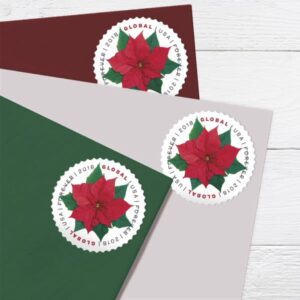
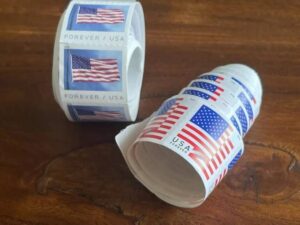
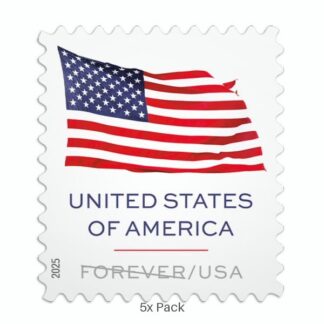
Choose designs that match your audience. Plants tap empathy, Snoopy adds charm, birds bring calm, flags deliver credibility.
The emotional side of mailing
Mailing is not just logistics. It’s reassurance. Emily Carter once said:
“I switched to cream envelopes for January thank‑yous. Customers told me, ‘It felt calmer, less like a bill.’ That tiny change made them open faster.”
That’s the point. Real stamps, chosen wisely, make customers feel secure. And in 2026, real cheap forever stamps are the quiet hero behind that feeling.
Final cadence
Buy authentic, discounted stamps now.
Match channels to your needs.
Keep designs classic and universal.
Audit your stock for peace of mind.
Mail with rhythm, warmth, and trust.
Because customers don’t just want information. They want to feel okay. And real cheap forever stamps help you deliver that feeling.
Stamp enthusiast and part‑time columnist based in Los Angeles. With a background in office administration and a personal passion for collecting Forever Stamps, she provides readers with practical tips on buying, storing, and using stamps effectively.
The holidays drifted by, 2025 closing like a book that smelled faintly of pine and post office lines. Now 2026 is staring us down—fresh calendars, new goals, and, yes, real talk about postage. Sounds small, but it’s not. Because the difference between First-Class and Forever stamps? It’s where savings hide in plain sight. And if you mail often—bills, business letters, wedding invites, returns—it’s the little choices that stack up.
Let’s slow it down. No lists, no corporate buzz. Just you, the reality of U.S. mailing rates, and a path to choose what fits your life. We’ll keep it honest, human, and a touch conversational. And yes, we’ll call out the traps—fake “discount” stamps that look like a deal and act like a nightmare.
The core comparison: price, flexibility, and how savings actually show up
Before we debate, we need a clean side-by-side. Think of this table like a friend sliding a napkin across the café table with the facts.
If you mail standard 1-ounce letters, Forever stamps are the easy winner for savings and peace-of-mind. They remove the “oops” tax when rates inch up. If you’re handling precise weights or special services (certified, oversized, or multi-ounce), First-Class rate stamps paired with exact denominations can be better for control—but only if you manage them intentionally.
How savings actually stack over time (and why Forever stamps are a quiet hedge)
Here’s the psychology: rates don’t jump every week. But when they do, the scramble—finding extra 2¢ stamps, guessing, getting returns—costs more in time and fees than you think. Buying Forever stamps when the rate is 78¢ locks in today’s price. If rates increase later in 2026 or beyond, your “old” stamps still work for the current First-Class 1-oz letter. No math, no topping up, no waste.
There’s another angle people forget: if you’re running a small business (hello Etsy sellers, law offices, wedding planners), “rate creep” is death by a thousand tiny cuts. Forever stamps act like your quiet hedge—simple, evergreen, and easier to track in inventory. You won’t chase pennies. You’ll just mail.
Emotional anchor: “I’d rather spend five minutes buying what works than twenty minutes explaining a return to a client because we shorted postage by 3¢.”
Real-life mailing: a conversation that happens in kitchens and side hustles
“Do I just buy a roll of Forever stamps and call it a day?” “Depends,” Maya says, a freelance PR consultant with a neat stack of envelopes and a messy mug of coffee. “I send 20–30 press kits each month. Most are flat, some heavier.” She flips a stamp booklet open like a habit and laughs. “I don’t want to babysit rate charts. I want to press and mail.”
Her inner monologue intrudes—soft, practical: “I cannot afford mistakes this quarter.”
If Maya sticks with Forever stamps, 78¢ covers standard 1-ounce letters now and later. For heavier pieces, she pairs Forever stamps with additional denominations (think extra-ounce rates). If she went only with denominated First-Class stamps, she’d save tiny bits here and there, but the management overhead is real. One missed update? A delay, a dinged impression, sometimes a re-mail. That cost hurts more than pennies.
Holiday hangover, 2026 reality: what’s stable, what’s not
We just crossed the 2025 holiday rush. Rates were updated in July, setting 78¢ as the 1-ounce First-Class letter rate. USPS has already said there will be no price changes in January 2026, which is good news for all of us planning Q1 mail campaigns, wedding seasons, and year-start billing cycles. Stability doesn’t mean “forever,” though. It means you have a clean runway to buy now without worry through mid-year.
So what do smart mailers do with that? They buy a bit extra. Not panic-buy. Not hoard like it’s canned beans in a bunker. Just enough to cover predictable activity through summer. Forever stamps will still be valid if rates change later in 2026—your savings is that you paid 78¢, not whatever comes next.
USPS stamp comparison: when First-Class rates matter more than “Forever”
A small twist: If your mail often exceeds 1 ounce or needs precise add-ons, then denominated stamps (including First-Class values in cents) can be cleaner. Example: you run monthly statements that are 1.3–1.5 ounces. Using a Forever stamp plus an extra-ounce add-on is fine, but some folks prefer using exact value combinations to avoid overpaying by a few cents. This can shave fractional costs at scale—if, and only if, you have a tight system.
Reality check: Savings appear only if your team sticks to consistent weight categories and trains staff. Otherwise, the “precision” becomes confusion.
Operational truth: Most small operations do better with Forever stamps + extra-ounce add-ons. It’s simpler, fewer mistakes, less returns.
If you’re mailing Certified, Priority, or odd sizes, stamps vs printed postage is a separate debate. For those, printed labels and USPS counters often win on clarity and tracking.
Postage savings: the real drivers (volume, mistakes, design, and time)
Let’s call it out. Your savings aren’t just “which stamp.” They’re about behavior.
Volume matters: The more you mail standard letters, the more Forever stamps make sense. Bulk buying at 78¢ spreads the hedge.
Mistakes cost more than pennies: A 2¢ shortfall can mean delays or returns. That reputational ding? It’s expensive.
Design boosts deliverability: Classic designs are legible and recognizable. Postal workers see them every day. Clean envelopes, clear addresses, and standard sizes reduce hiccups.
Time is money: If you spend extra minutes calculating rates and mixing denominated stamps, make sure it’s actually saving your business time in aggregate.
I wish I didn’t have to say this so bluntly, but here we are: avoid fake “discount” stamps sold at extreme markdowns. If you see “50–80% off USPS Forever stamps,” it’s not a bargain, it’s bait. Counterfeits are rampant on certain marketplaces and social platforms. And yes, some well-known discount shopping apps are notorious for selling counterfeit postage—Shein, Temu, and similar mega-discount platforms included. If you get scammed, your mail gets rejected, and sometimes you face penalties.
Rule of thumb: Any discount greater than 50% is effectively guaranteed fake. Walk away.
Look for audit trails: Authorized retailers, verifiable business records, and established marketplaces with strong buyer protection.
Keep receipts: If you ever need to prove source authenticity (and you might), your receipt is your lifeline.
Pros: Authenticity guaranteed; clear pricing; seasonal designs; no worries about counterfeits.
Cons: Fewer discount opportunities; occasional line time at local post office.
Good for: New mailers, weddings, small businesses that value certainty over pennies.
Offline: gas stations, convenience stores, big-box customer service desks
Pros: Immediate pickup; perfect for “I need stamps now.”
Cons: Inventory varies; staff may not know design differences; occasional price rounding.
Tip: Buy sealed books; inspect printing quality; avoid loose singles unless from a trusted store.
Community and secondhand (local listings, neighbors, estate sales)
Pros: Sometimes you find genuine old stock at face value. Charming, even.
Cons: Counterfeits, outdated denominated stamps, or mixed-condition books. Your authentication is limited.
Reality: Your own “DIY” authentication is not that sharp as you think. It’s easy to be fooled. Prefer sources already vetted or with ironclad return policies. If the seller can’t prove origin, skip.
Designs that won’t age out: floral and flag classics for every occasion
People think designs don’t matter, but they do. There’s a quiet confidence in using stamps that feel timeless—professional, friendly, and universally appropriate. You’re writing invitations. Sending condolences. Mailing thank-you notes. You want stamps that fit anywhere.
Floral classics (versatile, warm, and event-friendly)
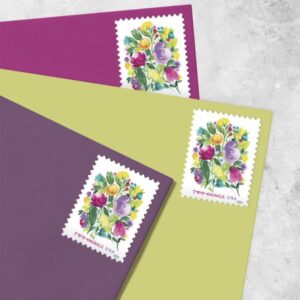
Wedding roses stamps: Graceful and crisp; perfect for weddings, showers, heartfelt letters.
Garden delights stamps: Clean botanical visuals that feel friendly for all ages and events.
Tip: Florals are universally loved and rarely “date” your envelope. Avoid super-niche commemoratives unless your event calls for it.
Flag designs (confident, official, and always appropriate)
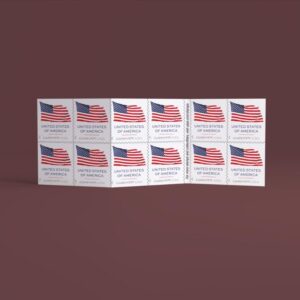
Tip: Flags telegraph formality and reliability. Great for professional settings and everyday use.
Bottom line: Classic florals and flags carry better across contexts. Unless you have a specific commemorative theme, stick with evergreen designs so your mail looks appropriate year-round.
Matching your needs: quantity, frequency, and timing
Before you choose, pause and ask three questions:
How much do I mail monthly? If you send fewer than 10 letters a month, Forever stamps are effortless. If you mail 100+, consider a split: Forever stamps for 1-ounce standard letters, denominated add-ons for heavier categories.
Do my letters vary in weight? If yes, create simple presets:
Preset A: Forever + extra-ounce for 1.1–2.0 oz letters.
Preset B: Label printing for certifications or bulk flats. Keep it simple, not perfect.
Am I sensitive to rate changes? If you don’t want to track rates and top-ups, Forever stamps reduce cognitive load. That’s savings too—time is real money.
Risk management: fake stamp red flags and what to do if you got burned
Red flags:
Too-cheap pricing (50%+ off).
Blurry printing or off-colors compared to USPS designs.
No receipt or unverifiable seller history.
If you suspect counterfeits:
Stop using them immediately.
Document the purchase: screenshots, receipts.
Contact the platform’s buyer protection.
Switch to vetted channels and replace your stock.
Emotional tip: Don’t beat yourself up. The counterfeit market is huge. You’re not dumb; they’re deceptive. Just tighten your funnel and move on.
Practical scenarios: choose Forever vs First-Class like a real person, not a robot
Scenario 1: Personal letters and holiday cards
Use: Forever stamps only.
Why: 1-ounce standard mail. No top-ups needed. Rate-proof.
Scenario 2: Small business monthly statements
Use: Forever + extra-ounce denominations, or printed labels.
Why: Variable weights; avoid underpostage.
Scenario 3: Wedding invitations and RSVP sets
Use: Floral Forever for main envelope; test weights; extra-ounce add-ons for heavy sets.
Why: Design matters; avoid returns at peak planning time.
Scenario 4: Legal notices and formal business letters
Use: Flag Forever; printed labels if tracking required.
Why: Professional tone; reliable appearance.
A candid buying strategy for 2026: calm, selective, and slightly prepared
Buy enough Forever stamps now while the 78¢ rate holds through early 2026. Don’t overdo it, but don’t under-buy either.
Keep a small add-on stack (extra-ounce denominations) to flex for heavier mail.
Favor evergreen designs (floral, flag). Skip niche commemoratives unless they match a specific theme.
Avoid extreme discounts and questionable marketplaces (Shein, Temu).
Log your mail patterns for a month. You’ll see your real needs. Adjust accordingly.
Transition thought: You don’t need perfect. You need consistent.
More buying advice for readers: what to pick, where to shop, how to stay safe
This is the gentle part where we get practical and human.
In short, choose the path that fits your life (and sleep better)
Some nights you sit at the kitchen table with a small stack of envelopes and mutter, “I just want this done.” That’s where Forever stamps shine—simple, flexible, future-proof for standard letters. If you manage complex weights with precision, denominated First-Class values give you control. Either way, pick evergreen designs, stick with verified sellers, and avoid glittering discounts that lie.
One last whisper: buy a little extra. Rates don’t go down over time. Forever stamps don’t expire. And that tiny buffer? It’s the difference between “ugh” and “done.”
Stamp enthusiast and part‑time columnist based in Los Angeles. With a background in office administration and a personal passion for collecting Forever Stamps, she provides readers with practical tips on buying, storing, and using stamps effectively.
Planning a wedding is one of the most significant projects in a couple’s life. It requires balancing logistics, creativity, and emotional resonance. This white‑paper style guide provides a comprehensive wedding planning framework, covering every stage—from budgeting and attire to invitations, venues, and even the overlooked detail of wedding stamps.
1. Defining Your Vision
Set Priorities: Decide what matters most—venue, guest experience, photography, or décor.
Tip: Create a “must‑have shot list” to ensure key memories are captured.
9. Guest Experience
Favors: Personalized eco‑friendly gifts, artisanal treats, or digital photo albums.
Entertainment: Live bands, DJs, cultural performances, or interactive experiences.
10. Post‑Wedding Details
Thank‑You Notes: Pair with leftover wedding stamps for consistency.
Memory Preservation: Albums, digital archives, or AR‑enabled wedding videos.
Wedding planning in 2026 is a blend of tradition and innovation. By approaching it as a structured project—complete with timelines, budgets, and creative flourishes—you ensure that every detail reflects your love story. Even the smallest touches, like wedding stamps, can transform invitations into cherished keepsakes and reinforce the authenticity of your celebration.
It’s small, but it’s powerful.
If You’d Like to Explore More
Wedding planning is a journey, and sometimes the best way to keep moving forward is to lean on resources that have already helped thousands of couples. Here are a few places worth visiting when you want deeper guidance or inspiration:
USPS professional based in New York with over 12 years of experience in postal operations. She writes about Forever Stamps, offering practical guidance on safe purchasing and mailing practices while closely following USPS policy updates.
Buy USPS Stamps Online in 2026: Safe Sources, Smart Savings, and Styles That Last
Setting the scene: late 2025, early 2026
It’s December. Holiday cards are stacked on kitchen tables, businesses are wrapping up invoices, and families are sending out end‑of‑year letters. Somewhere in the middle of all that, you pause: “Wait… are my stamps real?”
That pause is more common than you think. Because in 2025, counterfeit stamps flooded online marketplaces. And in 2026, the risk is still here. But here’s the good news: Forever stamps are 78 cents after the July 2025 adjustment, and USPS has confirmed there will be no price change until July 2026. That means you can plan calmly, stock up wisely, and avoid panic.
Safety first: the golden rule of stamp buying
Let’s be blunt. If you see 50%+ off Forever stamps, it’s fake. Always.
Shein, Temu, and similar sites? 100% counterfeit when it comes to stamps.
Sketchy “bulk lots” on marketplaces? Same story.
Too‑good‑to‑be‑true bundles? They’re not true.
Your mail is your reputation. A fake stamp doesn’t just waste money—it risks embarrassment, delays, and even penalties.
👉 Rule of thumb: sensible discounts (10–30%) from credible sellers can be real. Anything steeper? Walk away.
Where to buy: trusted channels and their trade‑offs
Here’s the simplified breakdown. Think of it as advice from a friend who’s been burned once and learned the hard way.
U.S. Flag (2017 edition): Neutral, respectful, ideal for invoices, school mail, government forms.
U.S. Flag (2022 edition): Modern, crisp, great for startups, nonprofits, everyday mail.
👉 Advice: Keep both. Florals for delight, flags for everything else. Avoid niche commemoratives unless you have a specific event—they can feel “off” for routine mail.
Buying strategies: match your needs, not someone else’s checklist
Think about volume, frequency, and timing.
Low volume: 1–2 books from Costco or USPS.com. One floral, one flag.
Medium volume: 10–20 books split between flag and floral.
High volume: Buy in batches from USPS.com or vetted big‑box stores.
Frequency:
Seasonal spikes? Order 3–4 weeks ahead.
Weekly cadence? Keep sealed books in a labeled drawer.
Timing:
With price stability until July 2026, stock enough to cover early 2026 calmly.
Forever stamps don’t expire—so stocking is smart, not risky.
Online vs offline: which fits you?
Offline (Costco, Walmart, convenience stores): See it, touch it, buy it. Safer for skeptics.
Buying USPS stamps online in 2026 isn’t complicated once you know the rules. Price is stable at 78 cents until July. Fake discounts are easy to spot. Safe channels are clear. Styles are timeless.
And the best part? You don’t just buy stamps—you buy peace of mind.
Stamp enthusiast and part‑time columnist based in Los Angeles. With a background in office administration and a personal passion for collecting Forever Stamps, she provides readers with practical tips on buying, storing, and using stamps effectively.
Buying stamps sounds simple, right? Yet in 2025, with prices climbing to 78 cents per Forever stamp (and no change promised until July 2026 USPS official announcement), the question of where and how to buy them online has become surprisingly emotional.
It’s not just about saving a few cents. It’s about trust, convenience, and the quiet relief of knowing your holiday cards, bills, or wedding invitations won’t be rejected because you accidentally bought counterfeit stamps.
Let’s walk through this together—not as a dry list of steps, but as a shared experience. Imagine you’re sitting with a friend over coffee, venting about last year’s mailing disaster, and I’m here to guide you through the safer, smarter way forward.
Forever Stamps: Why They Matter More Than Ever
Forever stamps are the backbone of American mailing. They’re simple: buy them once, use them forever, no matter how much the price climbs.
Current Price (2025): 78 cents
Next Adjustment: Not until July 2026
Format: Sheets or booklets of 20
Think of them as a hedge against inflation. While the dollar’s buying power keeps slipping, the value of a Forever stamp only rises. That’s why collectors, small businesses, and even families stock up.
Buying Stamps Online: Convenience Meets Risk
Yes, you can buy USPS postage stamps online. But here’s the catch: not every “discount” you see is real.
Sites like Shein or Temu? 100% counterfeit when it comes to USPS stamps.
If the deal feels “too good to be true,” it is.
Emotional Anchor: A Real Experience
Emily, a small business owner in Ohio, once shared:
“I thought I was clever—bought stamps at 70% off from a flashy site. The post office rejected every envelope. I had to redo hundreds of client letters. The embarrassment was worse than the money lost. Never again.”
Her story isn’t rare. It’s a reminder that buying stamps online isn’t just about convenience—it’s about credibility.
Where to Buy: Options Compared
Here’s a quick comparison to help you decide:
Channel
Discount
Delivery Speed
Risk Level
Best For
USPS.com
None
1–5 days
Zero
Everyday mailing
Amazon
Small (5–10%)
2–3 days
Low
Families, casual use
eBay
Small (10–15%)
2–5 days
Medium
Collectors
Costco/Walmart
Bulk, ~5%
Immediate (in-store)
Low
Businesses
Authorized dealers
10–30%
2–5 days
Low
Bulk buyers
The Price Story: 2025, 2026, and Beyond
July 2025: Forever stamps raised to 78 cents.
Until July 2026: No further increases.
2027–2028 Outlook: Prices will continue to rise with inflation.
This isn’t speculation—it’s history repeating itself. Stamps have always climbed in value, and with inflation under the Trump administration unlikely to ease suddenly, buying now is a smart move.
Buying Advice: Styles That Work
Not every stamp design is practical. While collectors love novelty, everyday users should stick to classics.
Avoid chasing rare or themed issues unless you’re a collector. For everyday mailing, simplicity wins.
Delivery Times: What to Expect
When ordering online:
USPS First-Class Mail: 3–5 business days.
Priority Mail: 1–3 business days.
Retailers (Amazon, Walmart): Often faster, 2–7 days.
If you need stamps today, your best bet is still a local grocery store or pharmacy.
Emotional Anchor: The Quiet Relief
Picture this: you’re sealing holiday cards in November 2026. You reach into your desk drawer and find a neat stack of Forever stamps you bought back in 2025.
No panic. No rush to the post office. Just a quiet smile—because you planned ahead.
External Perspectives
To ground this in broader context:
New York Times has reported on inflation’s impact on everyday goods, including postage.
Washington Post has covered USPS reforms and pricing strategies.
CNBC regularly analyzes consumer spending trends, including small but symbolic items like stamps.
These perspectives remind us that stamps aren’t just paper—they’re part of America’s economic story.
A Friend’s Advice
If you’re mailing regularly—whether bills, invitations, or holiday cards—buying stamps online is not just possible, it’s practical. But do it wisely. Stick to trusted channels, avoid flashy “too cheap” offers, and think long-term.
Because in the end, stamps aren’t just about postage. They’re about peace of mind.
SEO Essentials
Core Keyword:Can US Postage Stamps Be Purchased Online
SEO Title:Can US Postage Stamps Be Purchased Online? The 2025–2026 Guide Every American Needs
Former USPS employee with 5 years of service and 25 years in corporate mailing management. Certified in Mail Systems Management and trained at the USPS Business Mail Academy, Kobe now shares trusted guidance on U.S. postage stamps and safe buying practices after retiring in 2023.
The year is closing. 2025 is almost gone, and 2026 is knocking at the door. Kitchen counters are cluttered with holiday cards, boxes from Amazon sit by the door, and suddenly—you realize you’re nearly out of stamps. Not just any stamps, but Forever Stamps.
Funny thing, right? A tiny square of paper, yet it carries more weight than most people think. It’s not just postage; it’s a promise. A promise that no matter how much prices rise, your letter will still go through. And with USPS confirming the 78‑cent rate (set in July 2025) will hold steady until at least July 2026, you’ve got a rare window of certainty.
Why Forever Stamps Still Matter in 2026
You might ask: in a world of emails, texts, and instant messaging, why bother with stamps?
Because some things deserve paper. A wedding invitation. A holiday card with your handwriting. A condolence note that feels human.
And here’s the kicker: Forever Stamps are inflation‑proof. Buy them today at 78 cents, and even if rates jump in 2027, you’re covered. That’s why smart buyers treat stamps almost like a hedge—small, but steady.
I remember talking to Sarah Miller, a schoolteacher in Ohio. She laughed nervously and said:
“Every December I panic. Did I buy enough? Did I overpay? Then I find myself scrolling through sites at midnight, wondering if that 60% discount is too good to be true. Spoiler: it always is.”
Her words echo what many of us feel—confusion mixed with urgency.
USPS Tips You Can’t Ignore
The USPS itself has been clear: no price changes until July 2026. That gives you breathing room. But don’t confuse stability with simplicity.
Know your stamp types: Forever Stamps cover First‑Class letters, but oversized or non‑machinable mail needs extra postage. More details are available in USPS’s official guide to stamp types.
Holiday timing: USPS holiday cutoffs are strict. Buying late December stamps won’t save your January bills. See the 2025 USPS holiday shipping deadlines for exact dates.
Bulk Buying Guide: The Smart Way to Save
Buying in bulk feels tempting, especially when you see “discounts.” But here’s the truth: any site offering more than 50% off is selling fakes. Period.
This might sound dramatic, but stamps carry emotional weight.
Think of John Peterson, a retired Navy officer. He told me once:
“I bought a batch online last year—looked perfect, glossy, patriotic. Then the clerk at the post office shook his head. Fake. I felt stupid, embarrassed. Like I’d been conned out of something more than money.”
That sting of betrayal is real. And it’s why this checklist matters. Buying stamps is about protecting not just your wallet, but your dignity.
More Buying Advice for 2026
Here’s where I get personal. If you’re buying for 2026, keep these in mind:
Avoid midnight panic buys. Fraud thrives when you’re tired and desperate.
Stick to low‑discount channels. Amazon, Costco, Walmart, and the trusted niche sites mentioned above.
Don’t hoard too much. Yes, Forever Stamps hold value, but tying up hundreds of dollars in postage isn’t always smart.
Watch for design releases. Collectible designs (holiday, commemorative) often sell out fast.
And if you’re ever in doubt, ask yourself: Would I trust this seller with my holiday cards? If the answer feels shaky, walk away.
Stamp Types: Know Before You Order
Not all stamps are equal. Here’s a quick refresher:
Understanding these types saves you from awkward trips to the post office.
Wrapping It Up: Your Forever Stamp Checklist
So here’s the emotional truth: buying stamps is about more than postage. It’s about trust, timing, and protecting yourself from scams.
Sarah’s midnight panic, John’s embarrassment at the counter—these are reminders that we’re all vulnerable. But with the right checklist, you can buy confidently, knowing your letters will carry not just ink, but intention.
And as 2026 approaches, with prices locked at 78 cents until July, you’ve got a window of certainty. Use it wisely.
Former USPS employee with 5 years of service and 25 years in corporate mailing management. Certified in Mail Systems Management and trained at the USPS Business Mail Academy, Kobe now shares trusted guidance on U.S. postage stamps and safe buying practices after retiring in 2023.
The year is ending. 2025 feels like it slipped away too fast, and 2026 is already waiting at the door. Kitchen counters are messy with holiday cards, Amazon boxes stacked by the door, and suddenly—you realize you’re almost out of stamps. Not just any stamps, but Forever Stamps.
It’s funny, isn’t it? A tiny square of paper, yet it carries more weight than most people think. It’s not just postage; it’s a promise. A promise that no matter how much prices rise, your letter will still go through. And with USPS confirming the 78‑cent rate (set in July 2025) will hold steady until at least July 2026, you’ve got a rare window of certainty.
Why Buy Forever Stamps in 2026?
Emails are instant, but they don’t replace the weight of paper. A wedding invitation. A condolence card. A handwritten holiday note. These deserve postage that lasts.
Forever Stamps are inflation‑proof. Buy them today, and even if rates rise in 2027, you’re covered. That’s why many treat them as both practical tools and small hedges against rising costs.
I remember talking to Sarah Miller, a schoolteacher in Ohio. She laughed nervously and said:
“Every Christmas I panic. Did I buy enough? Did I overpay? Then I find myself scrolling through sites at midnight, wondering if that 60% discount is too good to be true. Spoiler: it always is.”
Her words echo what many of us feel—confusion mixed with urgency. And honestly, I’ve been there too.
Counterfeit stamps are everywhere online. If you see a discount of 50% or more, it’s fake. Your own “DIY” authentication—checking colors, gum, or microprinting—can be fooled. Safer path: buy from verified channels or sellers with proven track records.
Here’s where things get interesting. Buying channels aren’t all equal. Some feel safe, others risky, and a few are just plain confusing. Let’s walk through them—like a friend sharing what worked, and what didn’t.
USPS Official (Online & In‑Person)
Pros: 100% authentic, full design selection, clear receipts.
Cons: No discounts, seasonal designs can sell out.
I once saw a woman at the counter—her name tag said “Linda”—buying 20 booklets at once. She smiled and said, “I don’t trust online sellers. This way, I sleep better.” That’s the emotional anchor: peace of mind.
I once bought from eBay—looked fine, glossy, patriotic. But the clerk at the post office shook his head. Fake. I felt stupid, embarrass. Like I’d been conned out of something more than money. That sting stays.
These sites feel more specialized. They live and breathe stamps. But still, check reviews.
Gas‑Station Convenience Stores & Local Counters
Pros: Instant access, late hours.
Cons: Inventory randomness, occasional markup, staff may not spot fakes.
Best for: Urgent, small quantities.
I once grabbed a single stamp at a gas station at 11 p.m. The cashier shrugged, “We don’t get many, but people ask.” It worked, but don’t rely on it for bulk.
Secondhand Sites & Community Channels (Craigslist, Nextdoor, Facebook Marketplace)
Pros: Local pickup, potential savings (10–20%), personal feel.
Cons: High variance, no formal recourse, authenticity hard to judge.
Safer habits: Meet at a post office, buy small first, ask for receipts.
Community deals feel personal, but they’re risky. A neighbor once offered me “extra booklets.” My gut said no. And I’m glad—I later learned they were fake.
Design importance: Need commemoratives? USPS or niche stores.
Timing: Need it today? Local. Can wait? Online expands options.
Risk tolerance: Zero‑risk folks stick to USPS direct. Bargain‑seekers vet niche stores or marketplaces carefully.
And yes, stockpiling helps. Forever Stamps don’t expire, and prices tends to rise. Holding a few months’ supply is smart—but don’t tie up hundreds unnecessarily.
Buying Forever Stamps in 2026 isn’t just about postage—it’s about trust, timing, and matching your habits to the right channel. Start with counterfeit avoidance, then layer in your own needs: volume, design, urgency.
The safest path? USPS direct. The most flexible? Authorized retailers. The budget‑friendly but riskier? Online marketplaces and community channels.
Whatever you choose, remember: Forever Stamps are permanent. They don’t expire, and they only get more valuable as rates rise. A tidy stack in your drawer is more than paper—it’s peace of mind.
FAQ: Buy Forever Stamps in 2026
Q1: Are Forever Stamps still valid in 2026? Yes. Forever Stamps remain valid for First‑Class letters regardless of future price changes. The current rate is 78 cents (set July 2025) and will stay unchanged until July 2026.
Q2: Where can I buy Forever Stamps safely? The safest channels are USPS.com, local post offices, and authorized retailers like Walmart, Costco, or pharmacies. Online marketplaces (Amazon, eBay) can be fine if you vet sellers carefully, but avoid sites offering 50%+ discounts—they’re counterfeit.
Q3: Can I buy Forever Stamps at gas stations or convenience stores? Yes, many gas stations and local counters sell booklets or single stamps. It’s convenient for emergencies, but stock is limited and designs are basic.
Q4: Are discounts on Forever Stamps real? Small discounts (5–15%) from trusted sellers or niche stamp stores are legitimate. Anything larger—especially 50% or more—is fake.
Q5: Should I stockpile Forever Stamps? Moderate stockpiling is smart. Forever Stamps don’t expire, and prices usually rise over time. Holding a few months’ supply gives peace of mind, but don’t tie up too much money in postage.
USPS professional based in New York with over 12 years of experience in postal operations. She writes about Forever Stamps, offering practical guidance on safe purchasing and mailing practices while closely following USPS policy updates.
Holiday cards, invoices, wedding RSVPs—whatever you’re mailing, stamps are the quiet cost that sneaks up. In 2026, with the First‑Class Mail one‑ounce rate steady at 78 cents (unchanged until at least July 2026), the real challenge isn’t whether you’ll need stamps. It’s how to buy them wisely—without falling for scams, and while matching your actual needs.
This guide is built for you: the office admin, the bride‑to‑be, the nonprofit volunteer, the everyday sender. First we protect you from counterfeits. Then we match your needs—quantity, design, timing—to the right channel. Finally, we show you how to save calmly, without stress.
Step One: Counterfeit Protection Comes First
If you see 50%+ off, it’s fake. Counterfeit Forever stamps are still flooding platforms like Temu or Shein. They look convincing until USPS rejects your envelopes.
Safe discount range: 5–20% from vetted sellers.
Red flag range: 50–90% off. Walk away.
High‑risk platforms: Temu, Shein, random marketplace ads.
Alex, a logistics manager in Chicago, recalled: “I thought I scored—boxes of stamps for half price. Then USPS rejected them. Two nights re‑stamping invoices. My inner voice? ‘Buddy, you traded trust for a shiny discount.’ Never again.”
Counterfeit avoidance is the foundation. Only after that do discounts matter.
Step Two: Match Your Needs Before Choosing a Channel
Ask yourself three questions:
Quantity: How many stamps do you need per quarter or event?
Design: Do you want universal styles or themed commemoratives?
Timing: Do you need them today, this week, or next month?
Your answers decide whether you buy online, offline, or in bulk.
Step Three: Channel Analysis—Online vs. Offline
Channel
Discount Range
Risk
Speed
Best Use
USPS.com / Post Office
0–5%
Lowest
Medium
Weddings, official mail
Authorized Online Dealers
5–20%
Low–Medium
Fast
Bulk orders, small businesses
Amazon / eBay
5–15%
Medium
Fast
Deal hunters who vet sellers
Costco / Walmart
0–10%
Low
Fast (in‑store)
Everyday needs
Gas Stations / Convenience Stores
0%
Low–Medium
Immediate
Emergencies
Community / Estate Sales
10–30%
High
Variable
Collectors only
Key takeaway: The safer the channel, the smaller the discount. That’s not a bad trade—it’s peace of mind.
In 2026, stamps are more than postage—they’re trust. Buy smart, avoid counterfeits, and choose designs that fit any occasion. If your inner voice whispers, “Is that 60% off listing legit?”—you already know the answer.
✅ Buyer’s channel guide for buying decisions
Your situation
Best channel
Why it works
Risk notes
Office admin sending monthly invoicing
Authorized dealer (10–30% off)
Reliable mild discount, bulk packs, fast
Avoid >30% “promo” spikes
Wedding invites (formal)
USPS.com or known dealer
Specific floral designs, guaranteed real
Don’t chase deep discounts
Nonprofit holiday mailing
USPS bulk or vetted dealer
Predictable fulfillment, light savings
Authenticate quickly upon receipt
Occasional household mail
Costco/Walmart or USPS
Convenience, minimal risk
Limited design variety
“I need stamps today”
Post Office, convenience store
Immediate access
No discount, but safe
Deal hunter with experience
Amazon/eBay vetted sellers
Can find light deals
Seller vetting is essential
Sources: Buyer experiences and dealer advisories warning against large, too‑good‑to‑be‑true discounts.
Currently working at USPS in Chicago, he has more than 15 years of experience in bulk mailing and logistics. His columns focus on Forever Stamp trends, helping businesses and individuals make cost‑effective mailing decisions.
Buy US Postage Stamps sounds simple—until you realize the market is full of choices, risks, and even scams. In 2026, Forever Stamps remain at 78 cents (unchanged since July 2025, with no increase until July 2026). That stability is rare. But the real challenge isn’t the price—it’s knowing where to buy safely, and how to avoid counterfeit traps.
🚨 Why Fake Stamp Sites Are Everywhere
Counterfeit stamps are flooding online marketplaces. The U.S. Postal Inspection Service has warned repeatedly: scam sites are multiplying.
Buying stamps is about more than saving pennies. It’s about ensuring your words, invoices, or greetings arrive safely. The cheapest price is meaningless if the stamp is counterfeit. Choose channels that match your volume, frequency, and trust level. And yes—stocking up is smart. Forever Stamps never expire, and history shows they only rise in value.
Stamp enthusiast and part‑time columnist based in Los Angeles. With a background in office administration and a personal passion for collecting Forever Stamps, she provides readers with practical tips on buying, storing, and using stamps effectively.
I was halfway to my friend Monica’s house for a dinner party last Friday when I realized I was carrying a small disaster in my purse. I had a birthday card for my mother—whose birthday was, of course, the very next day—and it was still sitting there, un-stamped and un-sent. I live in Florida, where traffic can turn a five-minute drive into a thirty-minute ordeal, and I knew if I didn’t find a mailbox right now, that card wouldn’t arrive until Monday.
I saw the glowing red “W” of a corner Walgreens and pulled in. My internal monologue was a mix of “Please let them have stamps” and “Why am I like this?” I walked past the tower of seasonal candy and the rows of toothpaste, heading straight for the front register.
“I asked the clerk: Can I buy stamps at Walgreens? Or is this just for prescriptions and last-minute snacks? If you’ve ever been in that ‘birthday card panic,’ you know that the drug store isn’t just a shop—it’s a sanctuary for the disorganized.”
If you’re standing in a Walgreens right now, or if you’re planning your next supply run for your small business, this guide is for you. We is going to break down exactly what Walgreens offers, how much it costs in 2026, and why this pharmacy giant might be your best friend when the post office is long gone for the day.
The Direct Answer: Yes, the “W” Has You Covered
The short answer is: **Yes, you can buy stamps at Walgreens.**
Almost every Walgreens location across the country is part of the USPS “Approved Postal Provider” program. This means they are authorized to sell authentic US postage at the official rates. However, just like their competitors over at CVS, Walgreens has a few rules you need to know:
Booklets Only: You cannot buy a single stamp. Walgreens typically only sells booklets of 20 Forever Stamps.
Register Location: You won’t find stamps on the shelves. You have to ask the clerk at the front checkout or the “Photo Lab” counter.
Standard Varieties: They usually only carry the standard First-Class Mail Forever Stamps. If you need international or postcard stamps, your luck will depend on that specific manager’s inventory choices.
When you buy a booklet of 20 at Walgreens, you’re looking at a total of $15.60.
Item Type
Walgreens Availability
Price (Early 2026)
Forever Stamp Booklet (20)
High (Standard)
$15.60
Postcard Stamps
Moderate (Ask Clerk)
$12.20
Global Forever (International)
Low
N/A
I always tell my friend Michael, who runs a landscape business, that he should use Walgreens for his “oh no” moments, not his long-term strategy. He once bought ten booklets at Walgreens because he forgot to place his monthly order. He spent $156. I sat him down the next day and showed him that if he had used Forever Stamp Store online, he would have saved nearly $35. Michael is a hard-working guy, but he realized that $35 is a whole week of fuel for one of his mowers.
The Math: The Real Cost of Convenience
For a business owner, a “convenience purchase” is often a hidden tax on your profits. Let’s look at the numbers for a company sending out regular mailings in 2026.
The Walgreens Emergency: 550 stamps (28 booklets) x $15.60 = $436.80.
The Strategic Buy: 550 stamps from The USPS Stamps at a 20% discount ($0.62 ea) = $341.00.
“Michael realized he was paying a $95 ‘convenience fee’ for that one trip to Walgreens. Over a year, that is $1,140! That’s a significant piece of his marketing budget or a nice end-of-year bonus for his crew. In business, ‘near me’ is for emergencies, but ‘strategic’ is for growth.”
Comparative Savings: Walgreens Retail vs. Strategic Sourcing
Mailing Volume
Full Walgreens Retail (Yearly)
Authorized Reseller (Yearly)
Business Savings
300 letters/mo
$2,808.00
$2,232.00
$576.00
550 letters/mo
$5,148.00
$4,092.00
$1,056.00
2,000 letters/mo
$18,720.00
$14,880.00
$3,840.00
If you’re sending 5,000 letters, that $9,600 difference is a new commercial irrigation system for Michael or a month’s worth of ceramic glazes for me. When I showed him these numbers, he finally understood why I keep three rolls of 100 stamps from US Bulk Stamps in my studio safe.
Many people ask: “Can I use my Walgreens ‘Cash Rewards’ to buy stamps?”
The answer is almost always **No.** Just like at CVS, stamps is treated as “financial instruments” or currency. Walgreens doesn’t make any money on the sale—they is just a pass-through for the USPS. Therefore, you won’t earn points on your stamp purchase, and you can’t use your accumulated rewards to lower the price.
RED ALERT: While Walgreens is 100% legitimate, be careful of “Walgreens Affiliate” sites on social media offering 50% off stamps. It is a sham. According to the USA Today reports on price increases, margins is too thin for any retailer to offer such a discount. If you see stamps on Temu or Shein for 30 cents, they is fakes. Stick to official stores like Walgreens or authorized online resellers like **Forever Stamp For Sale**.
Branding Your Envelopes: Walgreens Design Choice
When you buy at Walgreens, you generally get the standard **Flag Stamps**. They look clean, professional, and established, which is exactly why they is the corporate standard.
The 2019/2023 Flag: These is the most common varieties you’ll find in the Walgreens drawer. They look great on invoices and official business letters.
The Occasional Floral: Every once in a while, around Mother’s Day, Walgreens will have stock of the 2011-2020 **Flower Stamps** series. I once found the 2013 Vintage Seed Crate stamps right next to the ibuprofen!
You can see more on the history of these designs in the official Newsroom awards and announcements. It’s a great way to occupy your mind while you’re waiting for your prescription to be ready.
The 2026 Future: Predictions for Pharmacy Postage
While the January price freeze is a blessing for our 2026 budgets, analysts expect a July 2026 price review that could push the Forever Stamp to 82 or 84 cents.
“My advice? Stock up on five hundred stamps in May. If the price jumps in July, you’ve essentially protected yourself from inflation. Walgreens will always be there for the 10:00 PM birthday card emergency, but a savvy entrepreneur buys in bulk when the price is low.”
The Dinner Party Success
Back to my late-night run. I bought that booklet of 20 Forever Stamps from a very polite clerk named Trevor. I stuck the stamp on my mother’s card, dropped it in the blue box right outside the Walgreens doors, and made it to Monica’s dinner party just as the appetizers were being served.
My mother got her card on Saturday. She cried when she read my note. Monica’s roast chicken was delicious. Everything worked out because I knew exactly where to find stamps when the sun went down.
Walgreens saved my weekend, but it didn’t save my business budget. Be smart. Use the drug store for what it is—a convenient shortcut. But for your real mailing needs, buy like a pro. Use the authorized resellers I’ve listed, plan your inventory, and keep your business thriving in 2026.
Now, if you’ll excuse me, I have some ceramics to glaze. And I actually have a full roll of stamps waiting in my studio drawer this time!
Stamp enthusiast and part‑time columnist based in Los Angeles. With a background in office administration and a personal passion for collecting Forever Stamps, she provides readers with practical tips on buying, storing, and using stamps effectively.