The holidays drifted by, 2025 closing like a book that smelled faintly of pine and post office lines. Now 2026 is staring us down—fresh calendars, new goals, and, yes, real talk about postage. Sounds small, but it’s not. Because the difference between First-Class and Forever stamps? It’s where savings hide in plain sight. And if you mail often—bills, business letters, wedding invites, returns—it’s the little choices that stack up.
Let’s slow it down. No lists, no corporate buzz. Just you, the reality of U.S. mailing rates, and a path to choose what fits your life. We’ll keep it honest, human, and a touch conversational. And yes, we’ll call out the traps—fake “discount” stamps that look like a deal and act like a nightmare.
The core comparison: price, flexibility, and how savings actually show up
Before we debate, we need a clean side-by-side. Think of this table like a friend sliding a napkin across the café table with the facts.
| Attribute | Forever stamps | First-Class Mail rate stamps | Best for | Savings angle |
|---|---|---|---|---|
| Price baseline | 78¢ each (current rate) | Matches current First-Class 1-oz rate | General letters and cards | Lock-in price today for future mail |
| Adjusts with USPS increases | Automatically valid at future rates | Requires extra postage when rates rise | Long-term planners and bulk buyers | Hedge against price changes |
| Format | Single “Forever” denomination, design-driven | Denominated stamps (78¢ or other values) | Exact postage at time of mailing | Precise control for mixed weights |
| Overpay risk | None for 1-oz letters | If rate goes up, you must add extra cents | People who forget rate changes | Forever avoids make-up stamps |
| Collector/design options | Wide range: flags, floral, weddings | Also wide—but many denominated designs | Events, branding, personal style | Choose evergreen designs; avoid niche commemoratives |
Sources: USPS public rate updates and guidance; USPS announced no price changes for January 2026 following the July 2025 adjustment to 78¢. See “USPS announces no stamp price changes for January 2026.”
Quick verdict
If you mail standard 1-ounce letters, Forever stamps are the easy winner for savings and peace-of-mind. They remove the “oops” tax when rates inch up. If you’re handling precise weights or special services (certified, oversized, or multi-ounce), First-Class rate stamps paired with exact denominations can be better for control—but only if you manage them intentionally.
Best Deals on Forever Stamps
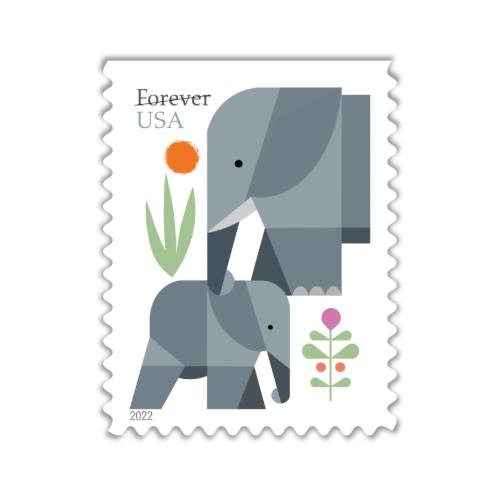
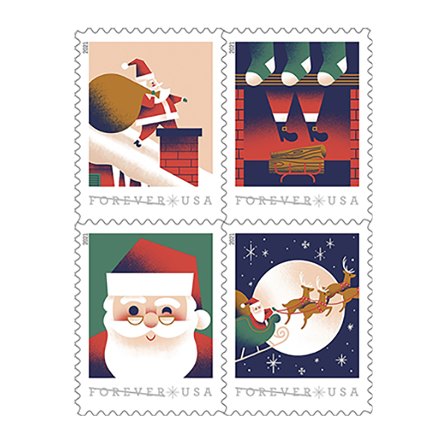
How savings actually stack over time (and why Forever stamps are a quiet hedge)
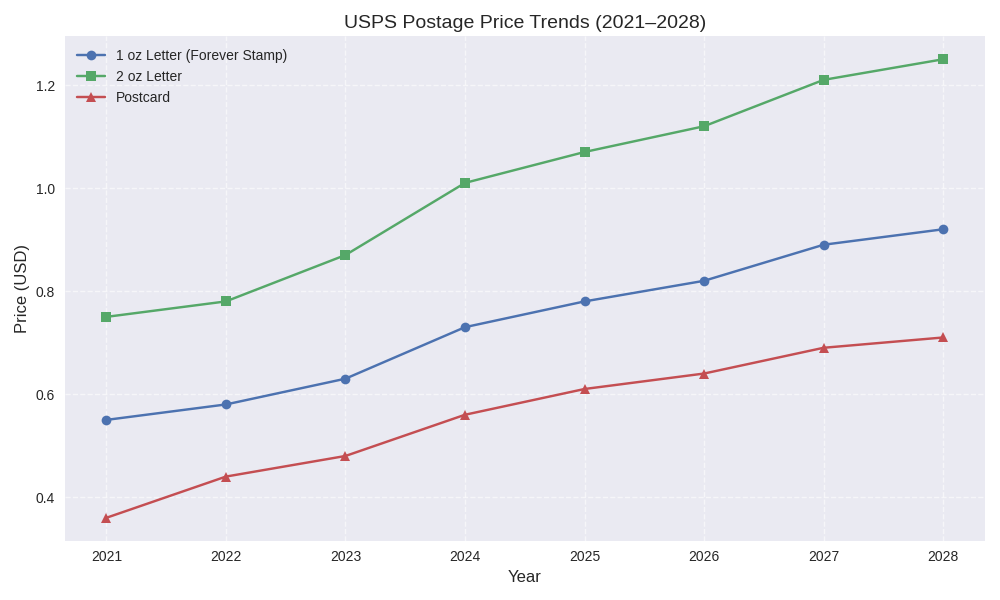
Here’s the psychology: rates don’t jump every week. But when they do, the scramble—finding extra 2¢ stamps, guessing, getting returns—costs more in time and fees than you think. Buying Forever stamps when the rate is 78¢ locks in today’s price. If rates increase later in 2026 or beyond, your “old” stamps still work for the current First-Class 1-oz letter. No math, no topping up, no waste.
There’s another angle people forget: if you’re running a small business (hello Etsy sellers, law offices, wedding planners), “rate creep” is death by a thousand tiny cuts. Forever stamps act like your quiet hedge—simple, evergreen, and easier to track in inventory. You won’t chase pennies. You’ll just mail.
Emotional anchor: “I’d rather spend five minutes buying what works than twenty minutes explaining a return to a client because we shorted postage by 3¢.”
Real-life mailing: a conversation that happens in kitchens and side hustles
“Do I just buy a roll of Forever stamps and call it a day?”
“Depends,” Maya says, a freelance PR consultant with a neat stack of envelopes and a messy mug of coffee. “I send 20–30 press kits each month. Most are flat, some heavier.” She flips a stamp booklet open like a habit and laughs. “I don’t want to babysit rate charts. I want to press and mail.”
Her inner monologue intrudes—soft, practical: “I cannot afford mistakes this quarter.”
If Maya sticks with Forever stamps, 78¢ covers standard 1-ounce letters now and later. For heavier pieces, she pairs Forever stamps with additional denominations (think extra-ounce rates). If she went only with denominated First-Class stamps, she’d save tiny bits here and there, but the management overhead is real. One missed update? A delay, a dinged impression, sometimes a re-mail. That cost hurts more than pennies.
Holiday hangover, 2026 reality: what’s stable, what’s not
We just crossed the 2025 holiday rush. Rates were updated in July, setting 78¢ as the 1-ounce First-Class letter rate. USPS has already said there will be no price changes in January 2026, which is good news for all of us planning Q1 mail campaigns, wedding seasons, and year-start billing cycles. Stability doesn’t mean “forever,” though. It means you have a clean runway to buy now without worry through mid-year.
USPS statement: No stamp price changes for January 2026 following the July 2025 adjustment.
So what do smart mailers do with that? They buy a bit extra. Not panic-buy. Not hoard like it’s canned beans in a bunker. Just enough to cover predictable activity through summer. Forever stamps will still be valid if rates change later in 2026—your savings is that you paid 78¢, not whatever comes next.
USPS stamp comparison: when First-Class rates matter more than “Forever”
A small twist: If your mail often exceeds 1 ounce or needs precise add-ons, then denominated stamps (including First-Class values in cents) can be cleaner. Example: you run monthly statements that are 1.3–1.5 ounces. Using a Forever stamp plus an extra-ounce add-on is fine, but some folks prefer using exact value combinations to avoid overpaying by a few cents. This can shave fractional costs at scale—if, and only if, you have a tight system.
- Reality check: Savings appear only if your team sticks to consistent weight categories and trains staff. Otherwise, the “precision” becomes confusion.
- Operational truth: Most small operations do better with Forever stamps + extra-ounce add-ons. It’s simpler, fewer mistakes, less returns.
If you’re mailing Certified, Priority, or odd sizes, stamps vs printed postage is a separate debate. For those, printed labels and USPS counters often win on clarity and tracking.
Postage savings: the real drivers (volume, mistakes, design, and time)
Let’s call it out. Your savings aren’t just “which stamp.” They’re about behavior.
- Volume matters: The more you mail standard letters, the more Forever stamps make sense. Bulk buying at 78¢ spreads the hedge.
- Mistakes cost more than pennies: A 2¢ shortfall can mean delays or returns. That reputational ding? It’s expensive.
- Design boosts deliverability: Classic designs are legible and recognizable. Postal workers see them every day. Clean envelopes, clear addresses, and standard sizes reduce hiccups.
- Time is money: If you spend extra minutes calculating rates and mixing denominated stamps, make sure it’s actually saving your business time in aggregate.
Buyer beware: fake discount stamps are everywhere (and they’re getting clever)
I wish I didn’t have to say this so bluntly, but here we are: avoid fake “discount” stamps sold at extreme markdowns. If you see “50–80% off USPS Forever stamps,” it’s not a bargain, it’s bait. Counterfeits are rampant on certain marketplaces and social platforms. And yes, some well-known discount shopping apps are notorious for selling counterfeit postage—Shein, Temu, and similar mega-discount platforms included. If you get scammed, your mail gets rejected, and sometimes you face penalties.
- Rule of thumb: Any discount greater than 50% is effectively guaranteed fake. Walk away.
- Look for audit trails: Authorized retailers, verifiable business records, and established marketplaces with strong buyer protection.
- Keep receipts: If you ever need to prove source authenticity (and you might), your receipt is your lifeline.
For broader consumer protection coverage, see:
- BBC’s reporting on counterfeit goods and marketplace risks: BBC News on online marketplace fraud
- Reuters’ investigations on e-commerce fraud trends: Reuters coverage of online retail risks
- The New York Times’ consumer columns: NYTimes consumer protection and scams
Where to buy: channel-by-channel guidance (online, offline, authorized, community)
Think of this as sitting with a trusted friend who’s been burned before and learned the hard way. No drama, just frank talk.
Online marketplaces
- Pros: Wide availability, quick shipping, buyer protection on reputable platforms.
- Cons: Counterfeits hide behind pretty listings and fake reviews. Deep discounts are a red flag.
- Safer picks:
- Amazon: Verified sellers; watch for “Ships from and sold by” details to avoid 3rd-party fakes.
- eBay: Look for Top Rated sellers, long history, and clear photos; avoid “half-off” listings.
- Walmart: Retail-backed inventory and stronger compliance guardrails.
- Costco: Bulk purchases with reliable audit trails.
- Specialty sites with track records:
- Rule: Anything above 50% off? Don’t buy. Legit sellers run modest discounts, not fantasy ones.
USPS official and authorized channels
- Pros: Authenticity guaranteed; clear pricing; seasonal designs; no worries about counterfeits.
- Cons: Fewer discount opportunities; occasional line time at local post office.
- Good for: New mailers, weddings, small businesses that value certainty over pennies.
Offline: gas stations, convenience stores, big-box customer service desks
- Pros: Immediate pickup; perfect for “I need stamps now.”
- Cons: Inventory varies; staff may not know design differences; occasional price rounding.
- Tip: Buy sealed books; inspect printing quality; avoid loose singles unless from a trusted store.
Community and secondhand (local listings, neighbors, estate sales)
- Pros: Sometimes you find genuine old stock at face value. Charming, even.
- Cons: Counterfeits, outdated denominated stamps, or mixed-condition books. Your authentication is limited.
- Reality: Your own “DIY” authentication is not that sharp as you think. It’s easy to be fooled. Prefer sources already vetted or with ironclad return policies. If the seller can’t prove origin, skip.
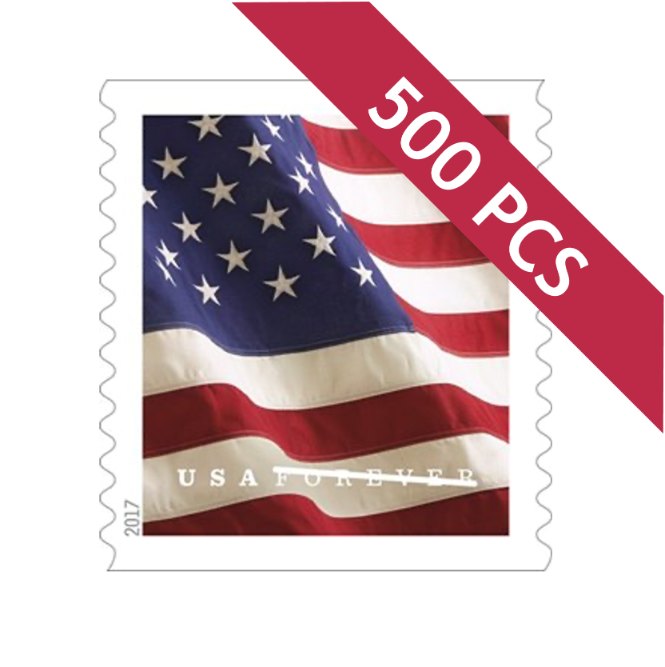
Designs that won’t age out: floral and flag classics for every occasion
People think designs don’t matter, but they do. There’s a quiet confidence in using stamps that feel timeless—professional, friendly, and universally appropriate. You’re writing invitations. Sending condolences. Mailing thank-you notes. You want stamps that fit anywhere.
Floral classics (versatile, warm, and event-friendly)
- Wedding roses stamps: Graceful and crisp; perfect for weddings, showers, heartfelt letters.
- Garden delights stamps: Clean botanical visuals that feel friendly for all ages and events.
- Tip: Florals are universally loved and rarely “date” your envelope. Avoid super-niche commemoratives unless your event calls for it.
Flag designs (confident, official, and always appropriate)
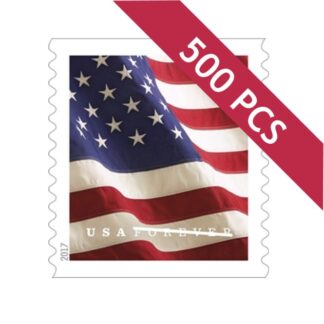
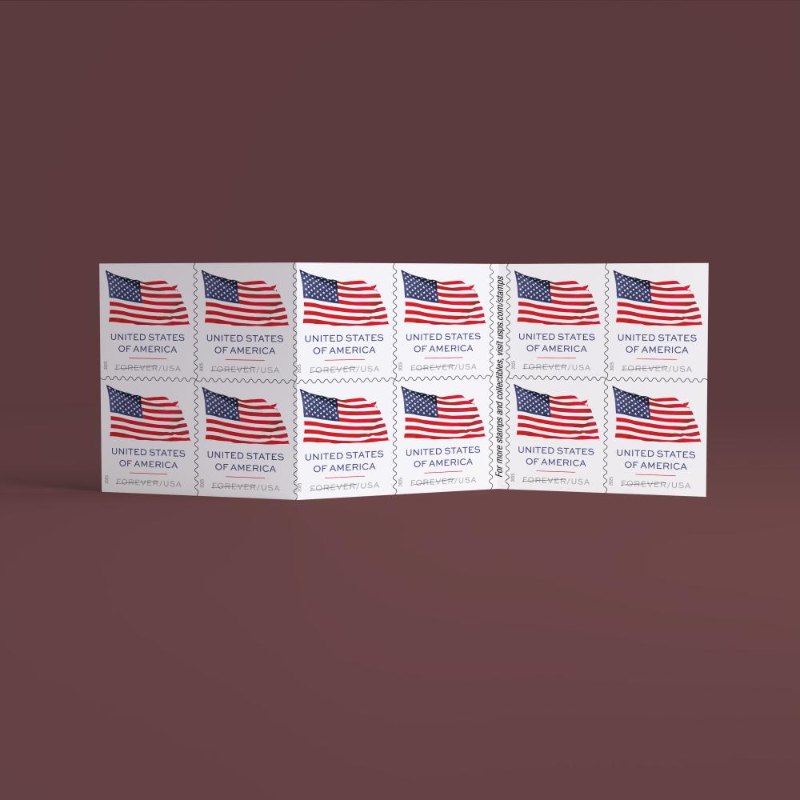
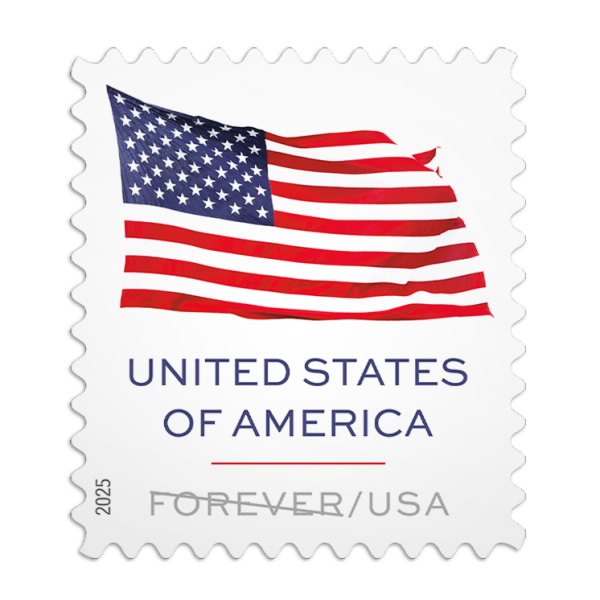
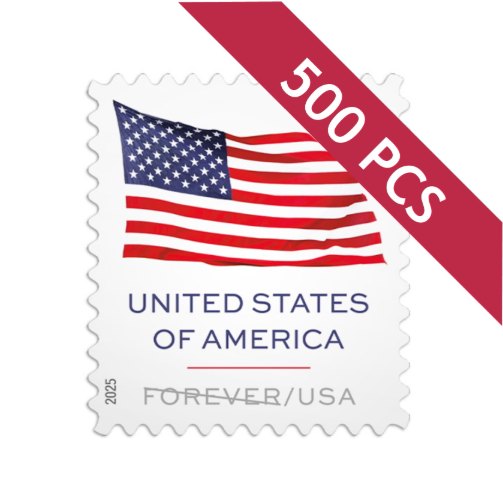
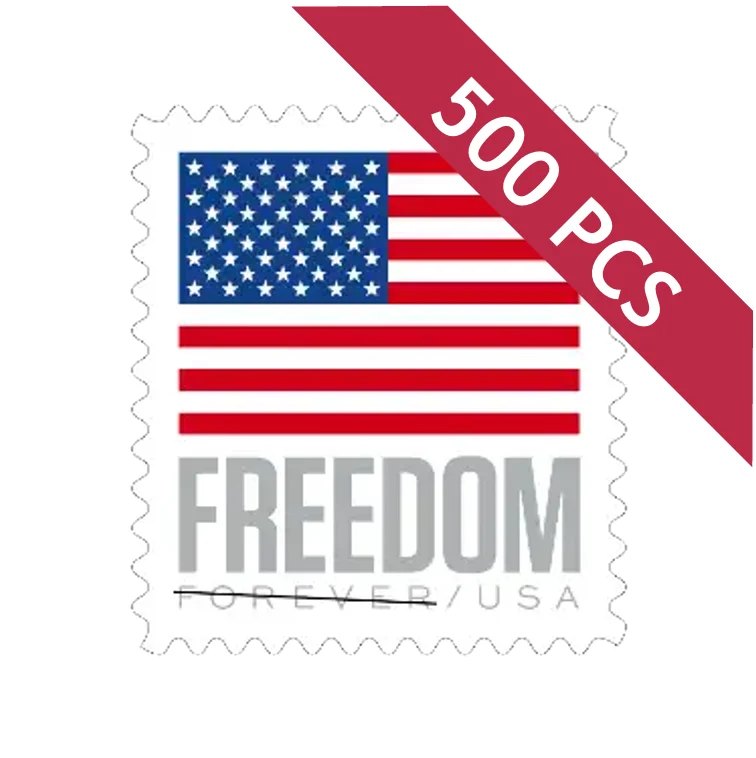
- U.S. Flag 2017 Stamps and U.S. Flag 2019 edition: Clear, bold, patriotic, suitable for business mail, community events, and official notices.
- Tip: Flags telegraph formality and reliability. Great for professional settings and everyday use.
- Bottom line: Classic florals and flags carry better across contexts. Unless you have a specific commemorative theme, stick with evergreen designs so your mail looks appropriate year-round.
Matching your needs: quantity, frequency, and timing
Before you choose, pause and ask three questions:
- How much do I mail monthly?
If you send fewer than 10 letters a month, Forever stamps are effortless. If you mail 100+, consider a split: Forever stamps for 1-ounce standard letters, denominated add-ons for heavier categories. - Do my letters vary in weight?
If yes, create simple presets:- Preset A: Forever + extra-ounce for 1.1–2.0 oz letters.
- Preset B: Label printing for certifications or bulk flats.
Keep it simple, not perfect.
- Am I sensitive to rate changes?
If you don’t want to track rates and top-ups, Forever stamps reduce cognitive load. That’s savings too—time is real money.
Risk management: fake stamp red flags and what to do if you got burned
- Red flags:
- Too-cheap pricing (50%+ off).
- Blurry printing or off-colors compared to USPS designs.
- No receipt or unverifiable seller history.
- If you suspect counterfeits:
- Stop using them immediately.
- Document the purchase: screenshots, receipts.
- Contact the platform’s buyer protection.
- Switch to vetted channels and replace your stock.
- Emotional tip: Don’t beat yourself up. The counterfeit market is huge. You’re not dumb; they’re deceptive. Just tighten your funnel and move on.

Practical scenarios: choose Forever vs First-Class like a real person, not a robot
- Scenario 1: Personal letters and holiday cards
- Use: Forever stamps only.
- Why: 1-ounce standard mail. No top-ups needed. Rate-proof.
- Scenario 2: Small business monthly statements
- Use: Forever + extra-ounce denominations, or printed labels.
- Why: Variable weights; avoid underpostage.
- Scenario 3: Wedding invitations and RSVP sets
- Use: Floral Forever for main envelope; test weights; extra-ounce add-ons for heavy sets.
- Why: Design matters; avoid returns at peak planning time.
- Scenario 4: Legal notices and formal business letters
- Use: Flag Forever; printed labels if tracking required.
- Why: Professional tone; reliable appearance.
A candid buying strategy for 2026: calm, selective, and slightly prepared
- Buy enough Forever stamps now while the 78¢ rate holds through early 2026. Don’t overdo it, but don’t under-buy either.
- Keep a small add-on stack (extra-ounce denominations) to flex for heavier mail.
- Favor evergreen designs (floral, flag). Skip niche commemoratives unless they match a specific theme.
- Avoid extreme discounts and questionable marketplaces (Shein, Temu).
- Log your mail patterns for a month. You’ll see your real needs. Adjust accordingly.
Transition thought: You don’t need perfect. You need consistent.
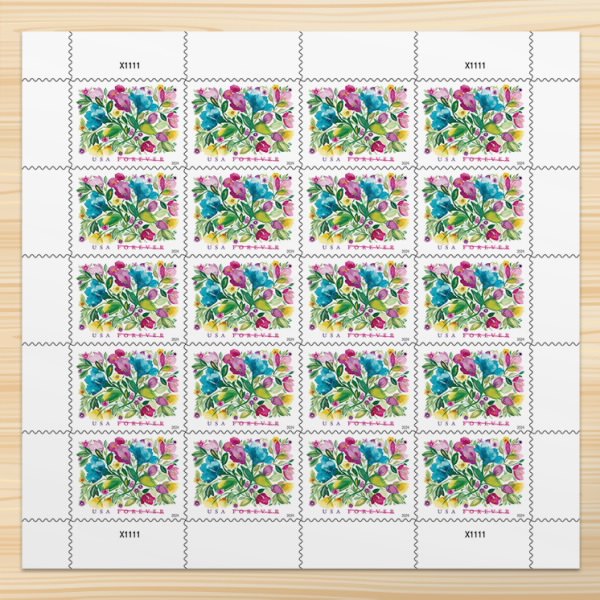
More buying advice for readers: what to pick, where to shop, how to stay safe
This is the gentle part where we get practical and human.
- Design picks:
- Floral: Wedding roses stamps, Garden delights stamps.
- Flags: U.S. Flag 2017, U.S. Flag 2022.
These look good anywhere—weddings, condolences, business. Not flashy, not awkward. Just right.
- Channels and safety:
- Best mix: Buy core stock from USPS or big-box/authorized channels; supplement with reputable online marketplaces for convenience.
- Audit trail: Keep clear receipts and photos of sealed books.
- Community buys: Only if the seller can prove origin. If not, pass.
- Behavior:
- Set a recurring reminder each quarter to check rates.
- But in 2026 Q1/Q2, you’re safe—USPS already stated no change for January 2026 after July 2025’s move to 78¢.
- Don’t chase pennies at the cost of mistakes. Your time—and reputation—matter more.
USPS announcement: https://news.usps.com/2025/09/24/usps-announces-no-stamp-price-changes-for-january-2026/
- Trusted online options:
- Amazon, eBay, Costco, Walmart
- Specialty: Forever Stamps Store, The USPS Stamp, Forever Stamp on Sale
In short, choose the path that fits your life (and sleep better)
Some nights you sit at the kitchen table with a small stack of envelopes and mutter, “I just want this done.” That’s where Forever stamps shine—simple, flexible, future-proof for standard letters. If you manage complex weights with precision, denominated First-Class values give you control. Either way, pick evergreen designs, stick with verified sellers, and avoid glittering discounts that lie.
One last whisper: buy a little extra. Rates don’t go down over time. Forever stamps don’t expire. And that tiny buffer? It’s the difference between “ugh” and “done.”
Logistics Hacks: Shipping with Stamps

Stamp enthusiast and part‑time columnist based in Los Angeles. With a background in office administration and a personal passion for collecting Forever Stamps, she provides readers with practical tips on buying, storing, and using stamps effectively.